
Whistler Winter Storage Regulations and Seasonal Vehicle Recycling Decisions
Whistler is a community defined by its dramatic seasonal shifts, where the transition from autumn to the deep snows of winter brings unique challenges for property owners. While the arrival of the ski season is celebrated, it also signals the start of intensive municipal maintenance operations. For residents with non-operational vehicles sitting on their property, these seasonal changes often bring a sense of urgency. The logistical pressure of managing space, combined with strict municipal bylaws, makes the decision to recycle a vehicle a practical necessity for many in the Sea-to-Sky corridor. Alpha Lake Auto Recyclers, reachable at 236-799-0220, serves as a local resource for those navigating these seasonal transitions. Call 236-799-0220 to discuss your vehicle.
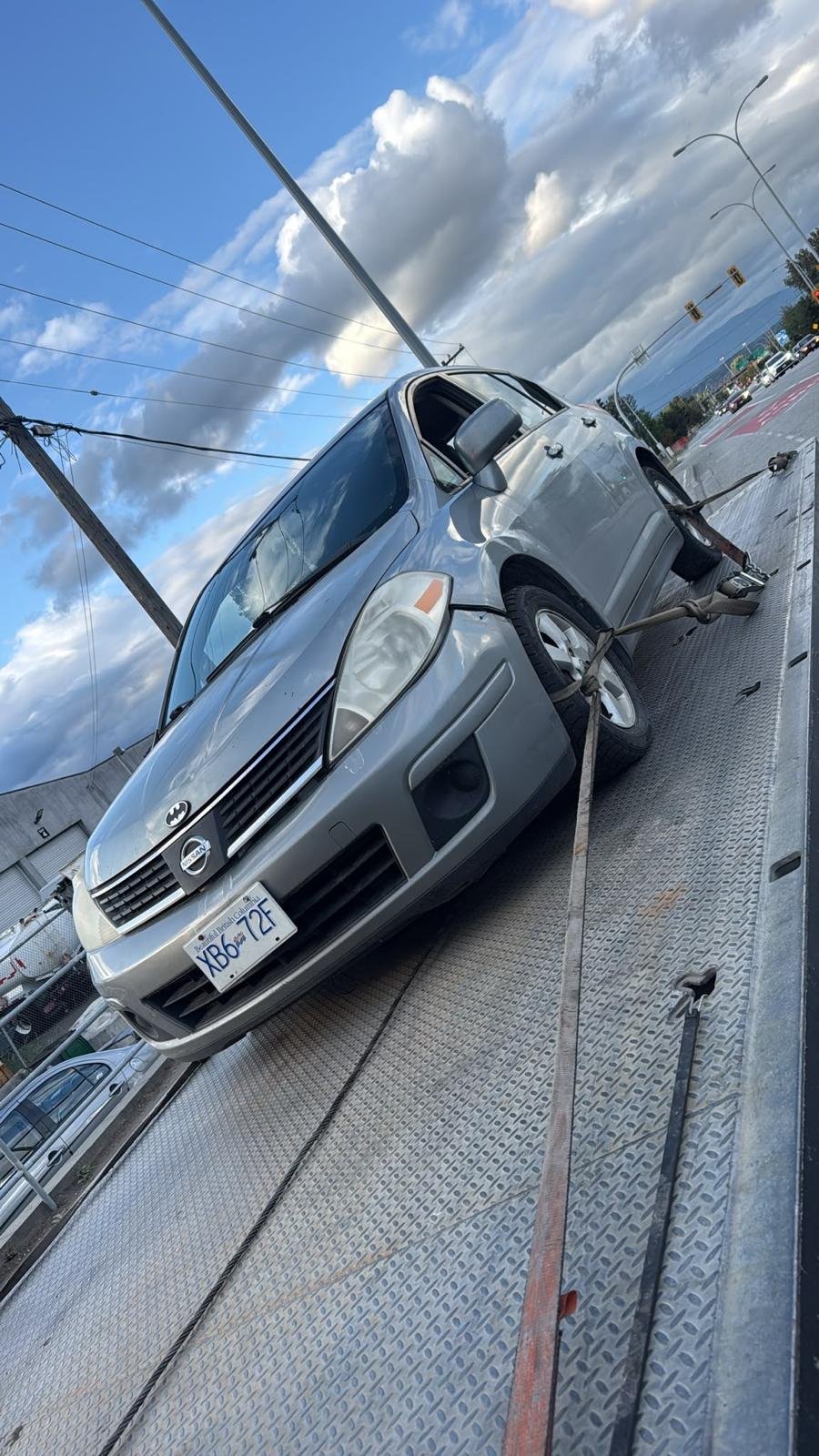
Navigating Whistler’s Strict Residential Storage Bylaws
One of the primary drivers for vehicle recycling in Whistler is the stringent set of zoning regulations that govern how residents can store vehicles on their private property. The Resort Municipality of Whistler (RMOW) maintains high standards for community aesthetics and environmental safety, which is reflected in their approach to unlicensed vehicles. According to Whistler’s zoning regulations, residential properties are restricted to storing a maximum of one unlicensed vehicle at any given time [1]. This rule is a codified requirement aimed at preventing residential lots from becoming cluttered or environmentally hazardous.
The regulation further specifies that this single permitted unlicensed vehicle must be kept in a garage or carport, or it must be effectively screened from adjacent lots [1]. For many homeowners, especially those in higher-density neighborhoods, finding the space to effectively screen a non-running car is often impossible. A vehicle left in a driveway or on a lawn not only risks being a violation of these bylaws but also becomes a target for complaints from neighbors. As winter approaches and the need for snow storage on private property increases, that one unlicensed vehicle can quickly become a major obstacle, leading many to look toward professional recycling options.
The Impact of Snow Removal and Street Parking Rules
Beyond the boundaries of private property, the challenges of owning a non-functional vehicle in Whistler are compounded by the municipality’s rigorous street parking and snow removal protocols. The geography of the valley, with its narrow winding roads and heavy annual snowfall, requires constant maintenance to ensure emergency vehicles and public transit can operate safely. Consequently, parking in Whistler neighbourhoods is prohibited on the odd-numbered side of the street year-round to maintain clearance for emergency services and snow removal equipment [2].
For a resident with a vehicle that does not start, these rules create a precarious situation. If a vehicle is parked on the street during a time when it needs to be moved for maintenance or due to the odd-side parking rule, the owner faces immediate fines or towing. In the winter, the stakes are even higher. From November 1 to March 31, overnight parking is banned in Whistler’s Day Lots 1 through 5 between 3 a.m. and 6 a.m. to allow for nightly snow clearing operations [3]. This means that owners who might have previously relied on public lots to temporarily store a vehicle find themselves with nowhere to go. A car that is buried in snow and unable to move becomes a liability for the entire neighborhood, potentially blocking the path of snowplows and creating safety hazards for other motorists.
Seasonal Vehicle Recycling Decisions
Deciding when to let go of a vehicle is often a balance between sentimental value and practical reality. In Whistler, the practical reality is often dictated by the calendar. As the first frosts appear, many residents realize that a project car or an old commuter that has been sitting idle is unlikely to be repaired before the deep winter sets in. This is the optimal time to consider the services of Alpha Lake Auto Recyclers. By addressing the issue proactively, owners can clear their driveways for snow storage and ensure they are in full compliance with municipal storage limits.
It is important for sellers to understand that the process of recycling a vehicle involves several variables. At Alpha Lake Auto Recyclers, we emphasize that actual eligibility, timing, paperwork, and price depend on the vehicle and a direct conversation. Every situation is unique, depending on the make, model, condition, and location of the vehicle. Engaging in a direct dialogue allows for a clear understanding of the requirements and ensures that the transition is handled professionally. We do not sell used parts. Our focus is entirely on the responsible recycling of vehicles that have reached the end of their functional life on the road.
Understanding the Recycling Process
When an owner decides to move forward with recycling, the focus is on a streamlined and responsible transition. The goal is to remove the burden of the vehicle from the property owner while ensuring that the materials are handled in an environmentally conscious manner. This process involves the drainage of hazardous fluids and the sorting of metals and other recyclable components. For the resident, the primary benefit is the immediate reclamation of space. In a town where parking and storage are at a premium, clearing a spot in a garage or a driveway can make a world of difference during the winter months. By choosing to recycle a vehicle before the heavy snow arrives, owners can avoid fines and contribute to the overall health of the local environment.
Conclusion
Navigating the complexities of Whistler’s winter storage and parking regulations requires foresight and action. Whether it is staying compliant with the odd-side parking rules on residential streets or ensuring that your property does not exceed the limit for unlicensed vehicles, the responsibilities of vehicle ownership are amplified in the mountains. If you find yourself burdened by a non-operational vehicle as the winter season approaches, consider the benefits of professional recycling. To discuss your specific situation, contact Alpha Lake Auto Recyclers at 236-799-0220. By taking action today, you can ensure your property is ready for the snow and your vehicle is handled with the care and responsibility that the Whistler environment deserves.
References:
[1] https://www.whistler.ca/municipal-services/bylaws-and-regulations/frequently-requested-bylaws/zoning-and-parking-bylaw/
[2] https://www.whistler.ca/transportation/parking/neighbourhood-parking-regulations/
[3] https://www.whistler.ca/transportation/parking/winter-parking/
Local reference points
These current local reference points help frame a site-specific conversation:
- Whistler’s zoning regulations restrict residential properties to storing a maximum of one unlicensed vehicle, provided it is kept in a garage or carport, or is effectively screened from adjacent lots. Source 1
- Parking in Whistler neighbourhoods is prohibited on the odd-numbered side of the street year-round to maintain clearance for emergency services and snow removal equipment. Source 2
- From November 1 to March 31, overnight parking is banned in Whistler’s Day Lots 1 through 5 between 3 a.m. and 6 a.m. to allow for nightly snow clearing operations. Source 3