
Whistler Scrap Car Plate Return and Insurance Cancellation Steps
Retiring an unwanted vehicle in Whistler is not only a question of arranging a sale or removal. If the vehicle is insured and still carries B.C. licence plates, the owner also needs a clear plan for the insurance and plate records. That plan matters whether the vehicle no longer runs, has become uneconomical to keep, or is simply no longer needed by a household or business. Call 236-799-0220 to discuss your vehicle.
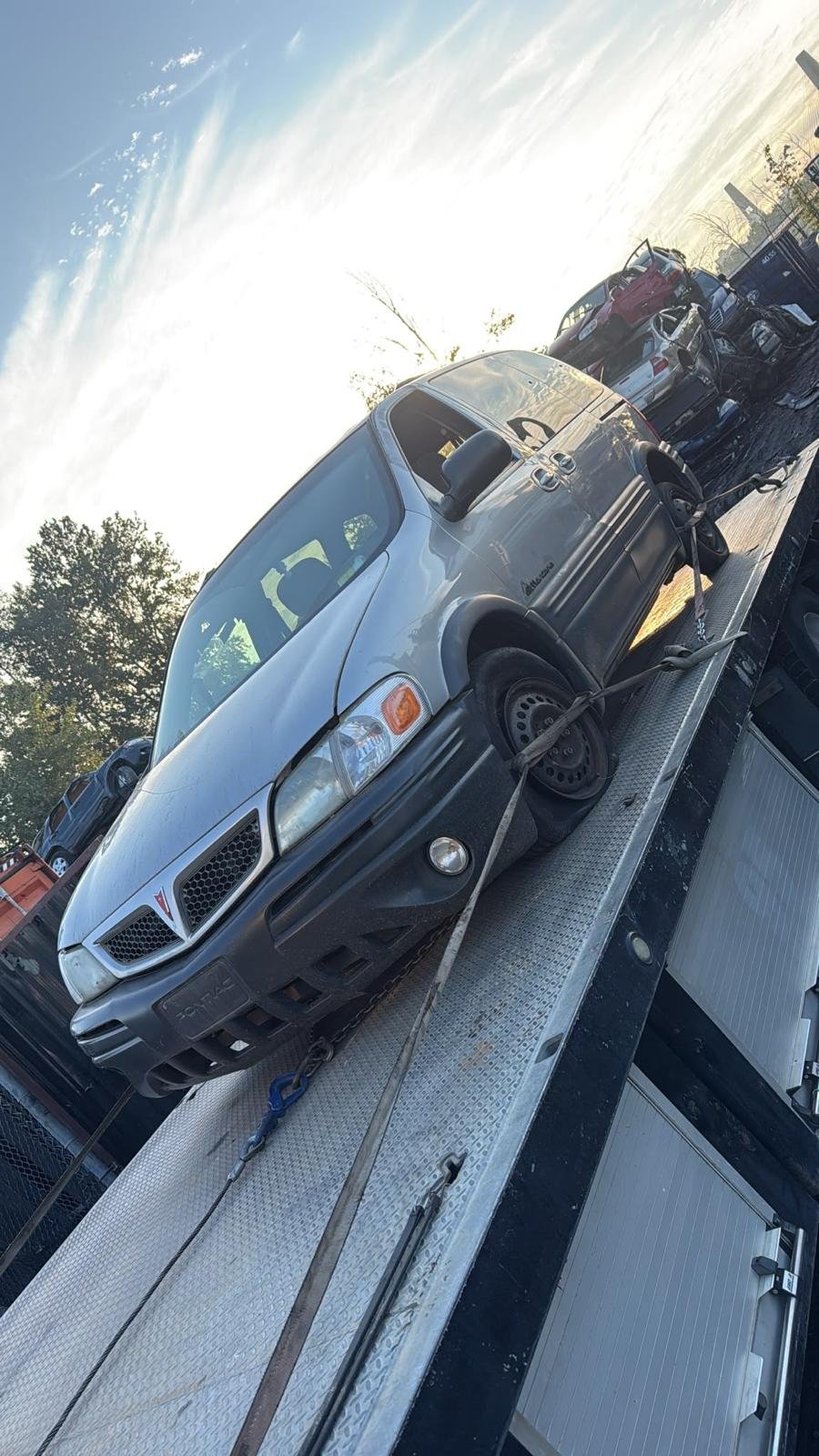
For owners searching Whistler scrap car plate return insurance information, the practical objective is to separate three decisions: confirming the sale or retirement arrangement, retaining the documents that identify the vehicle and owner, and completing the ICBC cancellation transaction with the plates. Doing those steps in a sensible order helps an owner avoid treating a verbal arrangement as proof that an insurance policy has been cancelled.
Keep the vehicle, plates and policy as separate records
A vehicle retirement discussion can include condition, location, ownership and the date the vehicle will leave the owner’s control. Insurance cancellation is a separate transaction. Before contacting a buyer, take a moment to locate the owner’s certificate, confirm the plate number, and note the policy information. If the owner’s certificate cannot be found, ask an Autoplan broker what is required before assuming the cancellation can be completed.
It is also useful to keep a simple written record for yourself: the vehicle identification number, plate number, make and model, date of the sale or pickup arrangement, and the name of the business or person receiving the vehicle. This is not a substitute for ICBC documentation, but it gives the owner a factual timeline to compare with the cancellation date and any later questions about the vehicle.
Do not remove or surrender plates merely because a conversation about an unwanted vehicle has started. Confirm the terms and timing of the sale or retirement arrangement first. A careful owner can ask who will receive the vehicle, whether ownership documents are needed, and what written record will be provided. Those questions concern the vehicle transaction; the broker handles the insurance cancellation.
The ICBC plate-return requirement
ICBC’s rule is direct: Any time you cancel your insurance, you have to return the plates, including personalized ones, to your Autoplan broker. The same ICBC guidance distinguishes cancellation from a policy simply expiring, so an owner should not assume that a plate can be kept because a vehicle will no longer be driven. Read the current ICBC licence-plates guidance before visiting a broker, especially if personalized plates are involved.
The plate return belongs with the cancellation request, not with a general vehicle-retirement conversation. ICBC explains the connection clearly: Our most important tip for cancelling your policy is to bring your licence plates to your broker – they are linked directly to your insurance. This is why a Whistler owner should decide who will retain the plates until the broker visit and avoid leaving them in the vehicle by accident.
If the plates have been lost or stolen, do not invent a workaround or delay the question. ICBC’s cancellation instructions identify a police file number as the alternative for lost or stolen plates. Contact an Autoplan broker for guidance that fits the owner’s actual circumstance and bring the requested identification and ownership paperwork. Jointly owned vehicles can involve additional attendance requirements, which is another reason to check the official information before the visit.
Plan the cancellation date rather than guessing
The cancellation date should match the point at which the owner no longer needs the vehicle insured. That timing can depend on when the vehicle is transferred or retired, whether it remains on private property for a short period, and whether any legitimate use still requires coverage. An owner should not drive an uninsured vehicle or make an assumption about coverage based only on a planned sale date.
There can also be a financial reason to handle the matter promptly once it is appropriate. ICBC states: The sooner you cancel your licence plates and insurance, the more you may get back if you’re eligible for a refund. Eligibility, fees, remaining policy term and any outstanding amounts affect the result. Rather than promise a refund or estimate an amount, ask the broker how the policy’s specific cancellation will be calculated.
Owners on a payment plan should also look at the next scheduled payment before they go. ICBC advises payment-plan customers to cancel at least one day before a payment is due. This is not a reason to rush a vehicle transaction; it is a reason to make a documented plan once the retirement date is confirmed. The broker is the appropriate source for questions about a policy balance, a payment withdrawal or a cancellation fee.
A Whistler plate-number detail worth checking first
Whistler vehicle owners may have a municipal parking pass tied to the vehicle. The Resort Municipality of Whistler explains: Passes are issued per vehicle and are based on the licence plate number. That makes a parking pass worth reviewing before a plate-return appointment. An owner can check whether there is an active municipal pass, whether it should be cancelled or allowed to expire, and whether another vehicle needs a separate arrangement.
This is an administrative check, not a claim that a municipal pass changes ICBC’s plate-return rule. It simply prevents two plate-related records from being confused. The municipality’s Whistler parking information sets out its pass and parking rules. Check the current terms directly rather than assuming a pass follows the owner or can be moved to a different plate.
Questions to settle before the vehicle is retired
- Who is the registered owner, and is the owner’s certificate available?
- Are there one or two licence plates, and are any of them personalized?
- What is the confirmed date on which the owner will no longer need the vehicle insured?
- Will the vehicle transaction provide a written record with the business name, vehicle details and date?
- Is there an active Whistler parking pass associated with the plate number?
- Has the owner confirmed the current cancellation requirements with an Autoplan broker?
These questions help a seller keep the facts straight without overcomplicating a retirement decision. A buyer can discuss the unwanted vehicle and the information needed to assess the transaction. The owner remains responsible for making sure the registration, plates and insurance steps are handled through the appropriate official channel.
Keep the discussion focused on selling an unwanted vehicle
Alpha Lake Auto Recyclers can be contacted by owners who want to discuss retiring an unwanted vehicle in the Whistler area. When you call, describe the vehicle honestly, state whether you are the registered owner, and mention any timing that affects when it can be released. Ask for clarity about the vehicle transaction and keep your own record of the outcome.
We do not sell used parts.
For a seller-focused conversation about an unwanted vehicle, call 236-799-0220. Before or after you finalize the vehicle arrangement, use an Autoplan broker to complete the plate-return and insurance-cancellation steps that apply to your policy.