
Whistler End-of-Life Vehicle Recycling: Questions to Ask After a Seasonal Retirement
Whistler End-of-Life Vehicle Recycling: Questions to Ask After a Seasonal Retirement Call 236-799-0220 to discuss your vehicle.
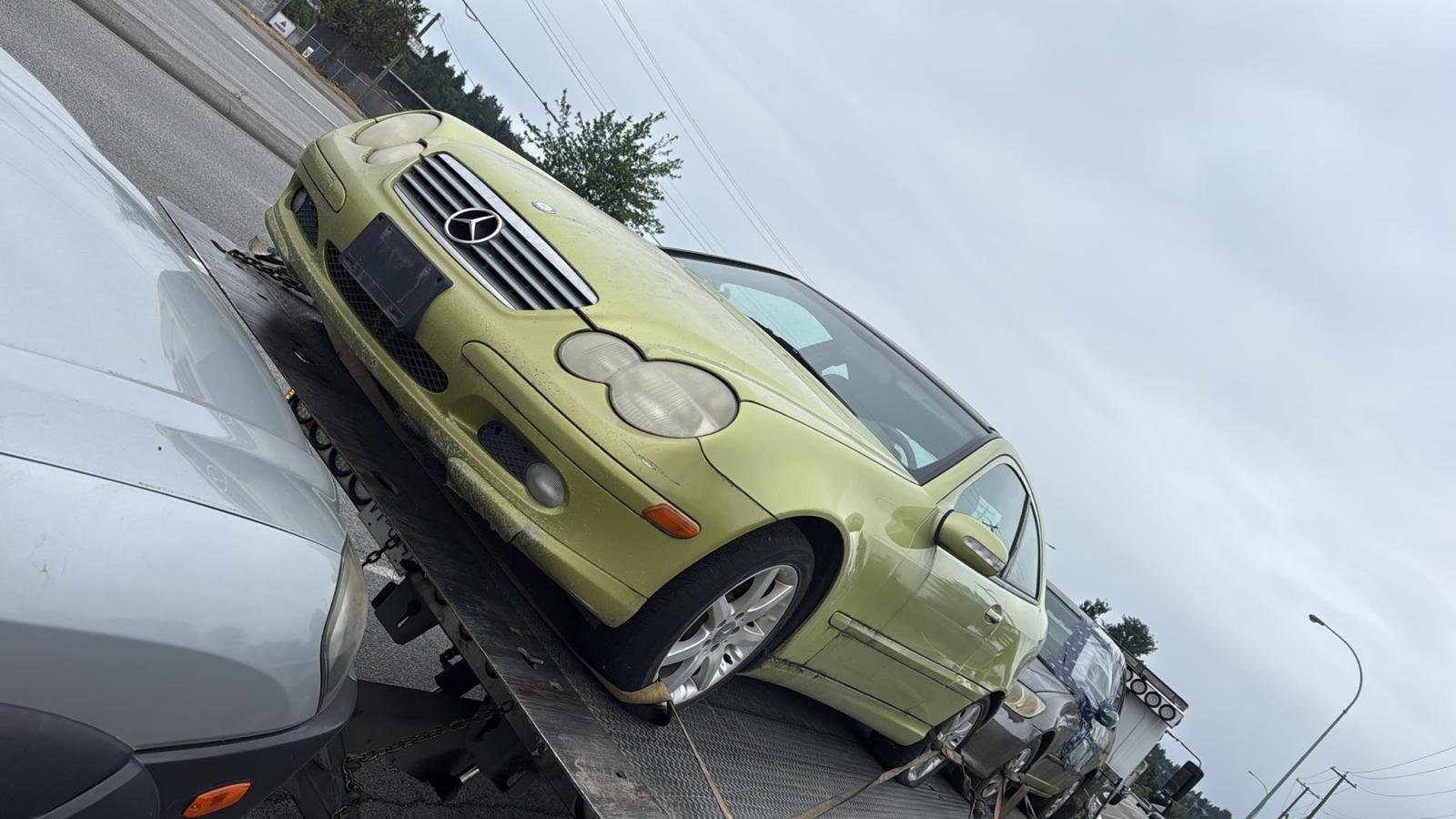
Retiring a car after a Whistler season often feels like the end of a long decision: the vehicle has been removed, the driveway or storage space is clear, and the next question is what happens to the car afterward. A useful seller conversation is not about assuming a particular result. It is about understanding the handoff, separating government responsibilities from recycling work, and keeping a factual record of what was agreed.
This guide focuses on the post-pickup stage for a private owner. It does not promise a particular payment, timeline, recycling percentage, or service outcome. Instead, it gives Whistler sellers a practical set of questions to ask Alpha Lake Auto Recyclers or any other operator they contact about an end-of-life vehicle.
Start with a clear post-pickup record
Before discussing processing, write down the vehicle identification information you still have: the licence plate number, vehicle identification number, make, model, approximate year, and the date the vehicle left your property. Keep copies or photographs of ownership and transaction documents in one place. If another person arranged the pickup, record that person’s name and authority to act for the owner.
Ask for a written description of the handoff that does not go beyond what the operator can confirm. Useful questions include whether the vehicle is being assessed for dismantling, crushing, or another route; whether any condition or fluid information is needed from you; and what document, if any, confirms receipt. These questions do not require the seller to predict the vehicle’s final material destination.
British Columbia describes end-of-life vehicle activity as including dismantling, where vehicles are drained of fluids and dismantled, and vehicle crushing for transport to scrap metal recyclers. The province also says that operators who dismantle more than five wet vehicles in a calendar year must register their operation with the B.C. government. Read the province’s vehicle recycling guidance and ask process questions without assuming that a government page confirms a particular company’s registration or practices.
Ask specifically about fluids and batteries
A seasonal vehicle may have been parked for months, driven in winter conditions, or left with an unknown maintenance history. Tell the operator anything you know about leaks, warning lights, damaged tanks, or a battery that was removed or disconnected. Do not guess about a fluid. A simple statement such as “I do not know whether it leaks” is more useful than an unsupported assurance.
Whistler’s official waste-facilities guidance says hazardous waste such as fuels, solvents, batteries, and medications is not accepted at the Whistler Waste Transfer Station. It also says vehicle batteries can no longer be accepted there because of provincial and federal regulations and should be taken to an automotive or marine centre. This is a local disposal distinction, not a statement that a vehicle recycler will accept a loose battery from a seller. Ask where a battery or other separately removed item should go before transporting it yourself.
The Resort Municipality of Whistler’s waste-facilities page identifies the Whistler Waste Transfer Station at 100 Brandywine Forest Service Road in the Callaghan Valley, approximately seven kilometres south of Function Junction off Highway 99 and Callaghan Valley Road. That location detail can help a seller distinguish municipal disposal guidance from the vehicle handoff. It does not establish that the station accepts a complete end-of-life vehicle.
Separate municipal drop-off guidance from vehicle processing
Whistler’s facilities page says that recyclables at the transfer station include scrap metal and vehicle oil, but it separately states that vehicle batteries are no longer accepted and must be taken to a licensed automotive centre. The same page says residential depots are for single-family residents and residential complexes that pay the annual Solid Waste Depot Operations Fee, while commercial users must take garbage and recycling to the Waste Transfer Station in the Callaghan Valley.
For a private vehicle seller, these distinctions matter because a complete car is not the same thing as a loose recyclable item. Do not put a vehicle, drained component, fuel container, or battery into a municipal stream unless the municipality’s current instructions specifically say it is accepted. The RMOW recycling guidance directs residents to its Waste Wizard for item-specific instructions and says used motor oil and antifreeze should go to local automotive shops participating in the B.C. Used Oil Management Association program.
If you still have a container of used oil or antifreeze after the vehicle has left, check the current BCUOMA participating-shop information before moving it. Do not pour automotive fluids down a drain or onto land. Whistler warns that incorrectly disposed hazardous materials can pollute drinking-water supplies, recreational sites, and sensitive ecosystems. That warning supports careful handling; it does not mean a particular recycler provides fluid collection.
Check the administrative handoff separately
Vehicle recycling and insurance administration are related in timing but are not the same task. Confirm what you need to do with your own Autoplan broker rather than treating pickup as automatic cancellation. ICBC’s licence-plate FAQ states: “Any time you cancel your insurance, you have to return the plates, including personalized ones, to your Autoplan broker.” It also distinguishes cancellation from simple expiry: if insurance simply expires, the plates do not need to be returned.
That rule is worth checking against your actual policy status. If the car was seasonal, confirm whether the policy was cancelled, expired, or changed before the handoff. Keep the broker’s confirmation and any receipt for returned plates with your vehicle record. The relevant ICBC licence-plate FAQ is the authoritative source for that narrow point. It does not confirm that a recycler returns plates for you or completes insurance work on your behalf.
Questions that keep the seller conversation accurate
- What information about the vehicle’s condition, leaks, battery, or fuel system should I provide?
- What document confirms that the vehicle was received, and what details should I retain?
- Is the vehicle being considered for dismantling, crushing, or another processing route?
- Are any loose batteries, fluids, or removed items excluded from the vehicle handoff?
- Which responsibilities remain with me, including insurance, licence plates, ownership records, or municipal disposal instructions?
- Who should I contact if a document or vehicle-status question remains unanswered?
These questions help you avoid turning a general recycling explanation into an unsupported promise. They also make it easier to compare answers from operators without assuming that every vehicle follows the same route. The province notes that vehicle dismantling and recycling can generate large quantities of waste and requires environmental management planning under the Vehicle Dismantling and Recycling Industry Environmental Planning Regulation. A seller can reasonably ask how an operator approaches fluids, records, and downstream processing while leaving technical compliance determinations to the operator and regulators.
A measured next step for Whistler sellers
After a seasonal retirement, the most useful next step is a documented conversation. Gather the vehicle details, disclose what you know, separate loose hazardous materials from the vehicle itself, and confirm your ICBC obligations independently. Use Whistler’s municipal pages for local drop-off rules and the provincial page for the regulated context of end-of-life vehicle processing.
We do not sell used parts. If you want to discuss a Whistler end-of-life vehicle after removal, ask Alpha Lake Auto Recyclers focused questions about the handoff and the information you should retain. Call 236-799-0220 to begin that seller-focused conversation. Any specific acceptance, documentation, timing, or outcome should be confirmed directly rather than assumed from this article.