
How to Prepare a Damaged Car for a Whistler Inquiry
Dealing with a damaged vehicle in the Sea to Sky Corridor requires a specific approach, especially when navigating the unique logistics of the Whistler area. Whether a car has suffered significant accident damage, mechanical failure, or has simply reached the end of its functional life, property owners often find themselves needing a reliable way to clear space. Engaging with a local specialist like Alpha Lake Auto Recyclers (236-799-0220) ensures that the removal of these unwanted assets is handled professionally. The business buys unwanted vehicles or equipment and does not sell used parts. Understanding how to navigate this process efficiently can save time and ensure that the transition from a damaged vehicle to a cleared driveway is as smooth as possible for residents and business owners alike. Call 236-799-0220 to discuss your vehicle.
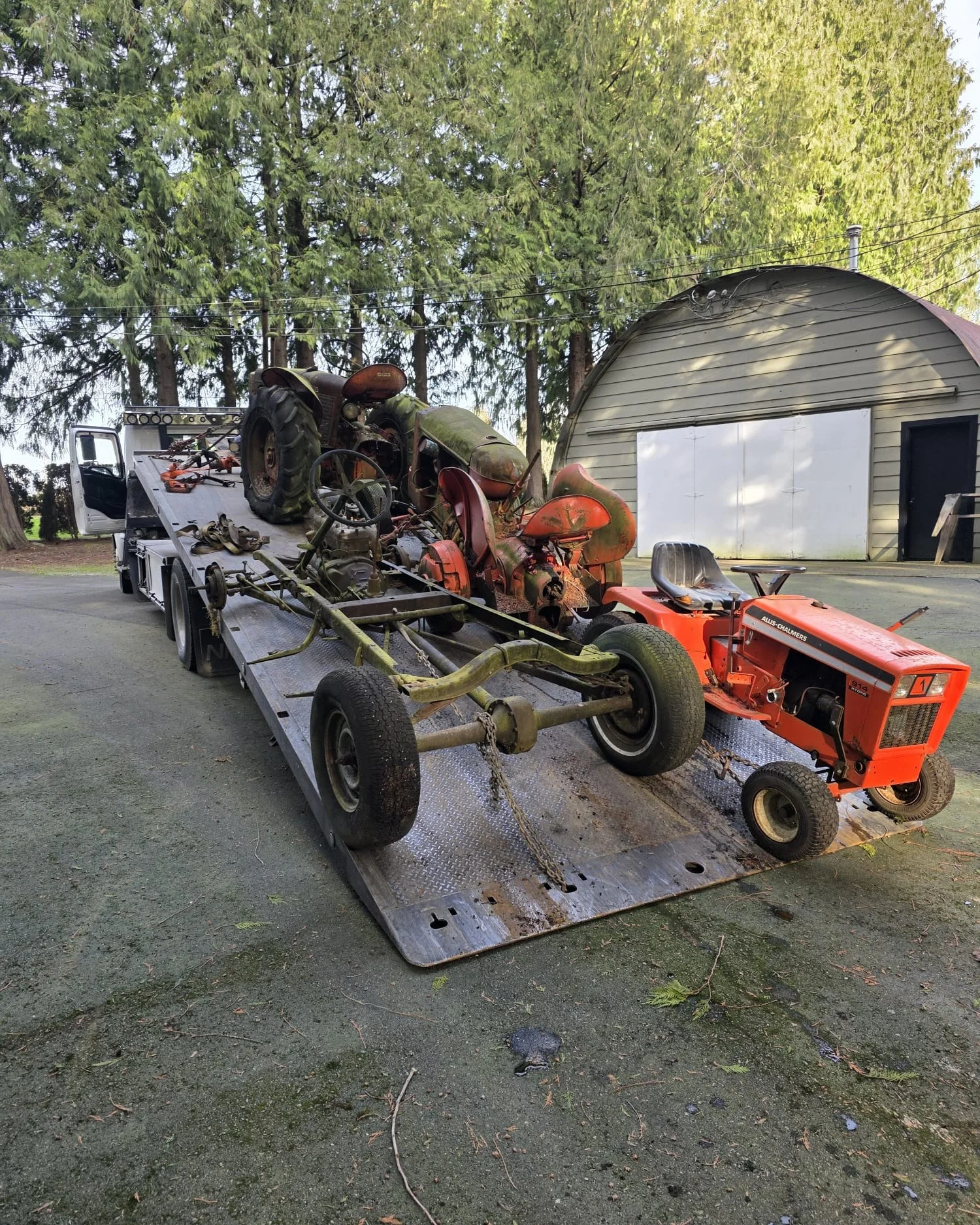
The Whistler environment, with its seasonal shifts and rugged terrain, can be particularly harsh on vehicles. Over time, exposure to road salt, extreme cold, and heavy precipitation can accelerate the deterioration of a car that is already compromised by damage. When a vehicle is no longer roadworthy, it becomes more than just an eyesore; it can become a liability on a private lot or in a shared parking facility. Taking the time to learn How to Prepare a Damaged Car for a Whistler Inquiry is the first step toward a successful removal. By following a structured preparation plan, sellers can provide accurate information that helps the recycling team understand the specific requirements of the job.
Understanding the Value of a Damaged Vehicle in Whistler
Every damaged vehicle has a residual value based on its physical components and material composition. In Whistler, where the cost of living and business operations can be high, local recycling services look at several key factors when assessing a vehicle. The primary driver of value in the auto recycling industry is the weight of the metal. Larger vehicles, such as SUVs and pickup trucks, naturally contain more recyclable steel and aluminum, which influences the baseline assessment. However, the condition of the vehicle also plays a role. A car that is relatively intact, even if it does not run, may have more value than one that has been stripped of essential components.
Local factors in the Sea to Sky region also influence how these vehicles are evaluated. Accessibility is a major consideration; a vehicle parked in an easy-to-reach driveway in Spring Creek might be viewed differently than one tucked away in a tight underground parking stall in Whistler Village. When you initiate an inquiry, providing details about the vehicle’s location and any obstacles that might hinder removal is crucial. This transparency allows the team at Alpha Lake Auto Recyclers (236-799-0220) to plan the logistics effectively. By focusing on the recycling potential of the vehicle, sellers contribute to a more sustainable local economy while resolving their own space management issues.
Essential Steps to Prepare Your Car for a Professional Inquiry
Before making the initial call or sending an online request, there are several physical steps a vehicle owner should take. The first is a thorough cleaning of the interior. Check the glove compartment, under the seats, and in the trunk for insurance papers, personal electronics, or even emergency kits that you might want to keep. Once the vehicle is removed, retrieving forgotten items can be difficult. Ensuring the car is empty also makes the inspection and removal process faster for the recycling crew.
Another critical step is the removal of the license plates. In British Columbia, the plates are the responsibility of the owner and should be returned to an ICBC agent to cancel the insurance or transferred to a new vehicle. Removing the plates yourself ensures that you have them in hand and avoids any confusion during the pickup. Additionally, if the vehicle is located in a high-traffic area or a shared residential lot, you should ensure that there is a clear path for the removal equipment. In Whistler, this might mean clearing snow during the winter months or moving other vehicles that might be blocking access to the damaged unit.
Gathering Necessary Vehicle Documentation
Having the right paperwork ready is essential for a legitimate transaction. The most important document is the vehicle’s registration or title, which proves ownership. In cases where the owner is deceased or the vehicle is part of an estate, additional legal documentation may be required. If the paperwork has been lost, it is advisable to contact ICBC to obtain a replacement before proceeding with the inquiry. Clear documentation protects both the seller and the business, ensuring that the recycling process adheres to all provincial regulations regarding vehicle disposal.
Assessing Vehicle Accessibility and Location
Whistler’s geography presents unique challenges for vehicle removal. Many properties are situated on steep inclines, or have narrow, winding driveways that can be difficult for larger trucks to navigate. When preparing for your inquiry, take note of exactly where the vehicle is situated. Is it on a paved surface, or is it sinking into soft ground or gravel? Providing these details upfront prevents delays and ensures that the right equipment is dispatched to the site.
Communicating Condition Clearly During a Whistler Inquiry
When you contact a recycling service, the quality of the information you provide directly impacts the quality of the service you receive. Start with the basics: the year, make, and model of the vehicle. Beyond that, be specific about the nature of the damage. If the car was in a collision, mention which areas were hit. If the engine is seized or the transmission has failed, include that information. The more the recycling team knows about the mechanical and structural state of the car, the better they can prepare for the pickup.
Transparency about the vehicle’s history is also helpful. Has it been sitting for several years? Are there leaks that might need to be contained during transport? By providing a detailed description, you help the professionals understand the scope of the work. This level of detail is especially important in Whistler, where environmental protection is a high priority. Ensuring that a damaged vehicle is handled in a way that prevents fluid leaks into the local ecosystem is a shared responsibility between the owner and the recycler.
Finalizing the Transition and Removal Process
Once the initial inquiry is complete and the details have been confirmed, the final phase is the coordination of the removal itself. This involves setting a time that works for both parties and ensuring that someone is available to facilitate the handover if necessary. During this time, it is a good idea to double-check that the keys are available, as this makes the loading process significantly easier. If the keys are missing, be sure to mention this during the inquiry stage so the team can bring the appropriate tools for a “no-key” pickup.
The final handover is a straightforward process when the preparation has been done correctly. The recycling team will arrive, verify the vehicle’s details against the information provided, and secure the car for transport. This is the moment when the burden of an unwanted vehicle is finally lifted from the property owner. By choosing a local Whistler-based service, you are supporting a business that understands the community’s needs and operates within the specific logistical constraints of the Sea to Sky region. The result is a cleaner property and the knowledge that the vehicle’s materials will be put to good use through the recycling stream.
In conclusion, managing a damaged car doesn’t have to be a source of stress for Whistler residents. By taking the time to prepare the vehicle, gather the necessary documentation, and communicate clearly with the team, you can ensure a professional and efficient experience. The focus remains on the responsible removal and recycling of end-of-life vehicles, helping to keep the beautiful mountain environment free of automotive clutter.